
Vulnerable Children’s Well-Being Research
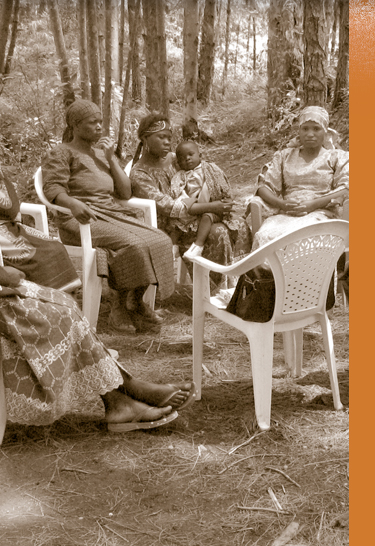
Research Extends Idweli’s Promise
The singular vision of a tiny Tanzanian village became reality. Instinct might tell us that Idweli’s model for taking care of orphaned and vulnerable children could, and should, be replicated across the African continent. But at the Lundy Foundation, we don’t rely solely on instinct.
With generous support from the Rockefeller Foundation and several corporate and individual donors, we completed a comprehensive 18-month, scientifically based evaluation, assessing the center’s impact on the Idweli community. Our overarching goal was to develop an effective research model for evaluating the well-being of orphaned and vulnerable children impacted by the HIV/AIDS pandemic.
We believe our research provides data that can support others seeking to enhance the well-being of Africa’s children.
Our pilot evaluation project focused on assessing the center’s impact on the psychosocial, physical and socioeconomic well-being of its residents compared to the other children — both orphaned and parented — living in the village.
Former President Bill Clinton endorsed the Lundy Foundation’s research in a letter:
Too often in the fight against this pandemic, well-meaning organizations have invested in individual projects without any way to gauge their success,” he wrote. “The Lundy Foundation’s research will give those groups empirical evidence of what services work best for children and how they can be administered most efficiently.
Our Research Plan
Money is pouring into Africa to support projects that address the HIV/AIDS pandemic, but there have been few empirical studies to determine whether those efforts are improving the well-being of orphaned and vulnerable children.
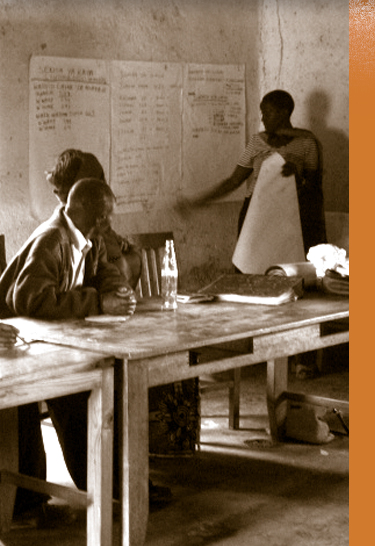
Our cross-cultural research team used quantitative and qualitative methods to assess the well-being of 209 children living in Idweli. The children were divided into four sample groups:
- 51 orphans who lived in the center
- 40 orphans who lost both parents and lived with caregivers
- 99 Non-orphans who lived with both parents
- 19 orphans and non-orphans who lived in households that received microfinance loans*
Survey instruments assessed the extent of the children’s depression and anxiety; their self-esteem and attachments to social support networks; behaviors toward their caregivers; physical health; and school performance. Data provided a picture of the children’s sense of their own well-being and of adults’ thoughts about the difficulties of caring for village children and the support they are able to provide.
Finally, we sought feedback from Idweli residents about the process used to involve villagers in planning and developing the center, and their satisfaction with the results. We asked village elders to describe the extent of the village’s current support for the project and the likelihood that it can be sustained over time.
*Some village families received microfinance loans to boost agricultural productivity and enhance their ability to care for orphaned and vulnerable children.
Research Results
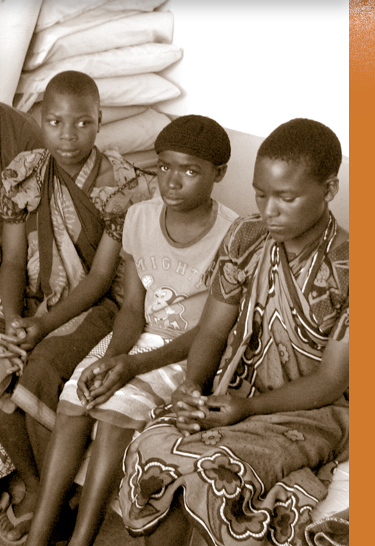
The evaluation study empirically demonstrated that the Godfrey’s Children Center had been successful in providing its orphans with a significantly improved quality of life. As compared to the other sample groups (village orphans and village children living with both parents), center children demonstrated greater psychosocial well-being: They were less depressed, were equally well-supported from a social perspective and expressed a more positive attitude toward their future.
Evaluation of a Community-Based Response to the Needs of Orphaned and Vulnerable Children
Recent articles published by the Lundy team
Please see News.